Blogs

Home

Blogs

  • Single-Head vs. Double-Head Surgical Lights: Key Differences and Applications
    Oct 21, 2026
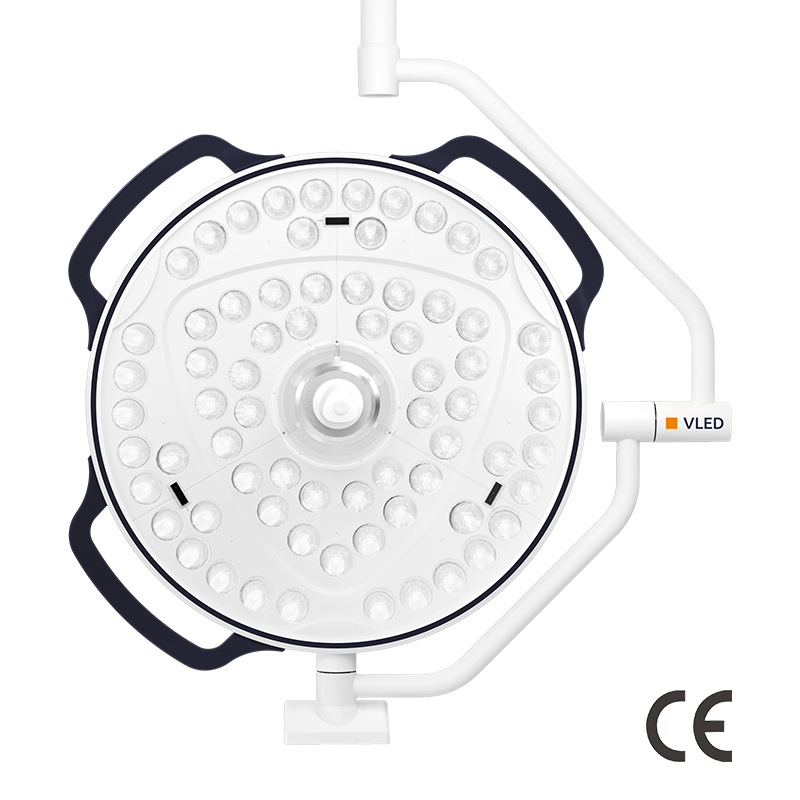
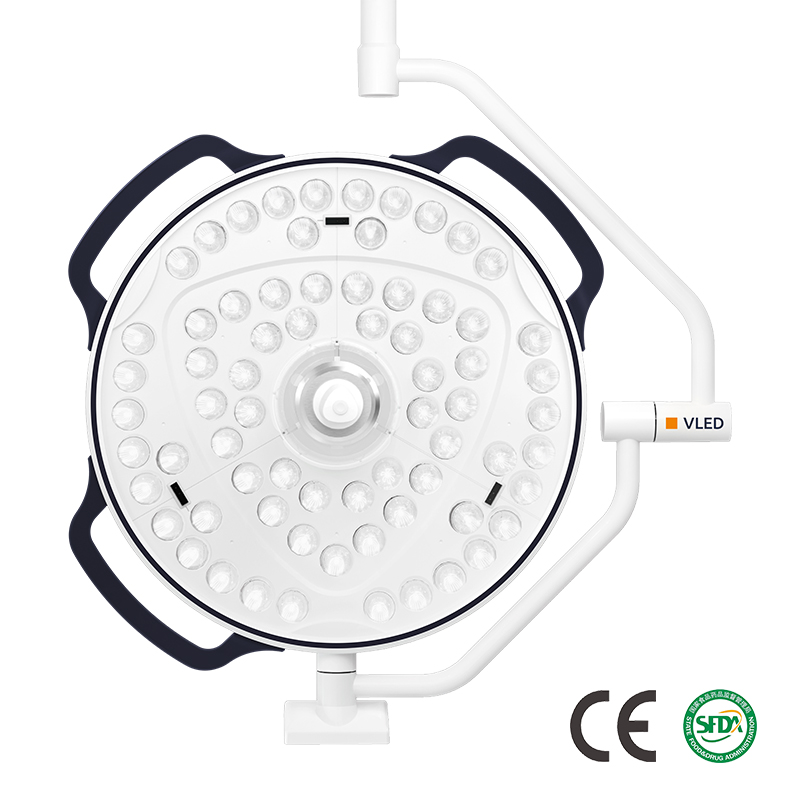
    When selecting surgical lighting for a new operating room or a hospital renovation, one of the first decisions is whether to install a single-head or double-head surgical light. Both configurations can provide the illumination needed for surgical procedures, but they differ in light coverage, positioning flexibility, installation requirements, and overall suitability for different clinical environments. For hospital procurement teams, medical equipment distributors, and operating room contractors, the right choice depends on more than the number of lamp heads. Procedure types, surgical team size, room layout, shadow management, and future equipment plans all need to be considered. This guide compares single-head and double-head surgical lights, explains where each configuration works best, and outlines the key specifications buyers should evaluate before purchasing. What Is a Single-Head Surgical Light? A single-head surgical light uses one lamp head mounted on an adjustable suspension arm or mobile support. The head directs light toward the surgical field, allowing clinical staff to position the illumination according to the procedure and the surgeon's working angle. A single-head configuration can be a practical choice for operating rooms with limited space, procedure rooms, and facilities that need a straightforward lighting arrangement. It may also suit hospitals that already have a separate auxiliary light or that perform procedures with less demanding illumination requirements. When evaluating a surgical light range, buyers should check the illuminance, color rendering index (CRI), adjustable color temperature, light field diameter, illumination depth, and positioning range. These factors affect clinical usability more directly than the number of lamp heads alone.   What Is a Double-Head Surgical Light? A double-head surgical light has two independently positionable lamp heads, usually supported by a ceiling-mounted suspension system. The heads can be adjusted to provide illumination from different directions, helping the surgical team maintain a well-lit field when staff, instruments, or equipment partially obstruct the light path. This configuration is commonly considered for major operating rooms, longer procedures, and surgical environments where lighting flexibility is important. The two heads can be positioned to complement each other, although the actual benefit depends on their optical performance, suspension design, and how the team positions them during surgery. A double-head surgical light does not automatically provide better lighting in every situation. Both heads need to be positioned correctly, and the combined illumination should meet the clinical and technical requirements of the facility. VG Medical VLED Series double-head surgical lights Single-Head vs. Double-Head Surgical Lights: Key Differences The main difference is the availability of a second independently adjustable light head. This can affect coverage and positioning options, but it should be assessed alongside the specifications of the complete lighting system. Comparison Factor Single-Head Surgical Light Double-Head Surgical Light Lamp heads One Two Positioning One primary light direction Two adjustable light directions Lighting coverage Depends on the head's optical design and positioning Offers more options for complementary illumination Room planning Usually a simpler arrangement Requires planning for both heads and suspension arms Typical consideration Routine procedures and space-conscious rooms Major procedures and more demanding lighting setups Procurement factors Performance, footprint, and budget Performance, flexibility, ceiling capacity, and budget These are general selection considerations rather than fixed rules. A high-performance single-head model may be suitable for many procedures, while a double-head model may be unnecessary in a room with limited clinical requirements. Always compare the manufacturer's technical specifications and intended use. When Should a Hospital Choose a Single-Head Surgical Light? A single-head model may be appropriate when a facility needs reliable illumination without the additional positioning options of a second lamp head. It can be considered for smaller operating rooms, minor surgery rooms, treatment rooms, and facilities with a defined range of procedures. Limited room space: A simpler lighting arrangement may make equipment placement easier. Defined procedural needs: One lamp head may be sufficient when the required surgical field and working angles are predictable. Budget management: Comparing single-head options may help control initial equipment expenditure, depending on the selected model. Existing equipment: A facility may already have supplementary lighting or a room configuration that does not require two heads. Before purchasing, confirm that the model's light intensity, illumination depth, color rendering, and adjustment range are suitable for the intended procedures. A lower purchase price should not come at the expense of required clinical performance. CLED series LED surgical lighting  When Is a Double-Head Operating Room Light the Better Choice? A double-head operating room light is worth considering when the clinical team needs greater flexibility in directing illumination. Two heads can be positioned at different angles to help manage shadows caused by the surgeon's head, hands, or other equipment. This can be useful in operating rooms where the surgical field and team positions change during a procedure. Major operating rooms: Complex procedures may benefit from additional positioning options. Changing surgical angles: Two heads can be adjusted to support different working positions. Long procedures: Flexible light positioning can help the team maintain suitable illumination as the procedure progresses. New OR construction: It may be easier to plan ceiling supports and suspension-arm positions before the room is completed. For a double-head system, buyers should evaluate the independent movement of each head, suspension-arm range, control interface, shadow management, and the ability to position the lights without interfering with medical pendants, monitors, or other ceiling-mounted equipment. Technical Specifications Buyers Should Compare Whether choosing a single-head surgical light or a dual head operating room light, procurement teams should compare the complete specification sheet rather than selecting by configuration alone. Illuminance: Check the adjustable illumination range and whether it meets the requirements of the intended procedures. Color rendering index: A high CRI supports accurate visual differentiation of tissue colors. Review the manufacturer's reported values and test conditions. Color temperature: Adjustable color temperature may help clinicians select a preferred light appearance for different procedures. Illumination depth and light field: Review performance at different depths and field settings, not just the maximum illuminance figure. Shadow management: Ask how the system maintains illumination when the light path is partially blocked. Control and positioning: Check handle design, movement range, dimming controls, and whether both heads can be adjusted conveniently. Compliance and service: Confirm applicable regulatory documentation, installation requirements, warranty terms, spare-part availability, and after-sales support for the target market. For example, VG Medical's VLED surgical light series lists single-head and double-head configurations, adjustable illumination, light field and color temperature, and intelligent shadow management. Buyers should confirm the exact configuration and specifications required for their project with the supplier. Installation and Operating Room Planning The choice between one and two lamp heads affects ceiling planning. Before ordering, the project team should verify the ceiling structure, mounting height, available clearance, electrical requirements, and the location of other suspended equipment. The planned positions of the operating table, medical pendants, monitors, and ventilation outlets should also be considered. For a double-head installation, confirm that both lamp heads can reach the intended surgical field without colliding with each other or restricting the movement of other equipment. For existing operating rooms, a site assessment can help determine whether the current ceiling support and room layout can accommodate the proposed system. Hospitals should also plan for installation, commissioning, staff training, cleaning procedures, preventive maintenance, and access to replacement parts. These practical factors influence the long-term value of the equipment as much as the initial purchase price. How to Select the Right Surgical Light Supplier For hospitals, distributors, and contractors sourcing surgical lighting, supplier evaluation should include product configuration, technical documentation, manufacturing quality, export experience, and after-sales support. Ask for the product datasheet, applicable certificates, installation guidance, warranty terms, and confirmation of the requested configuration. VG Medical Technology has focused on operating room and ICU equipment since 2003, with product lines covering surgical lights, operating tables, medical pendants, and digital integrated OR solutions. Buyers can learn more about VG Medical's background and review the available surgical light models before discussing project requirements with the team. For procurement projects, provide the intended procedure types, room dimensions, ceiling conditions, target specifications, destination market, and estimated quantity. This helps the supplier recommend a configuration that fits the clinical workflow and installation conditions. Frequently Asked Questions 1. What is the main difference between a single-head and double-head surgical light? A single-head surgical light has one adjustable lamp head, while a double-head system has two. The second head offers additional positioning options and may help manage shadows, depending on the system design and how the lights are positioned. 2. Is a double-head surgical light always better than a single-head model? No. The best option depends on the procedures performed, room layout, illumination requirements, and budget. A well-specified single-head model may be sufficient for some rooms, while more demanding surgical environments may benefit from two heads. 3. Can a double-head surgical light reduce shadows? Two light heads can illuminate the surgical field from different directions, potentially reducing shadows caused by partial obstruction. Actual performance depends on optical design, light positioning, and the system's shadow-management capabilities. 4. What specifications matter most when buying surgical lights? Compare illuminance, color rendering index, color temperature, illumination depth, light field diameter, shadow management, positioning range, applicable certifications, and maintenance support. The specifications should match the intended clinical use. 5. Does a double-head surgical light require special ceiling planning? It requires careful assessment of ceiling load capacity, mounting structure, suspension-arm clearance, and potential interference with other equipment. Confirm these details with the project team and manufacturer before installation. 6. Can hospitals order single-head and double-head configurations from the same product series? Some product series offer both configurations. VG Medical's VLED series lists single-head and double-head options. Confirm the available model, specifications, accessories, and configuration with the supplier before placing an order. Find a Suitable Surgical Lighting Configuration The choice between a single-head surgical light and a double-head operating room light should start with the clinical workflow, not simply the number of lamp heads. Consider the procedures performed, the required lighting performance, room dimensions, ceiling arrangement, and long-term service needs before making a decision. Explore VG Medical's surgical light range to compare available configurations and technical features. For hospital projects, distributors, and customized procurement requirements, contact the team with your application details to discuss a suitable solution.
  • Ceiling-Mounted vs. Mobile Surgical Lights: Which Should Hospitals Choose?
    Oct 15, 2026
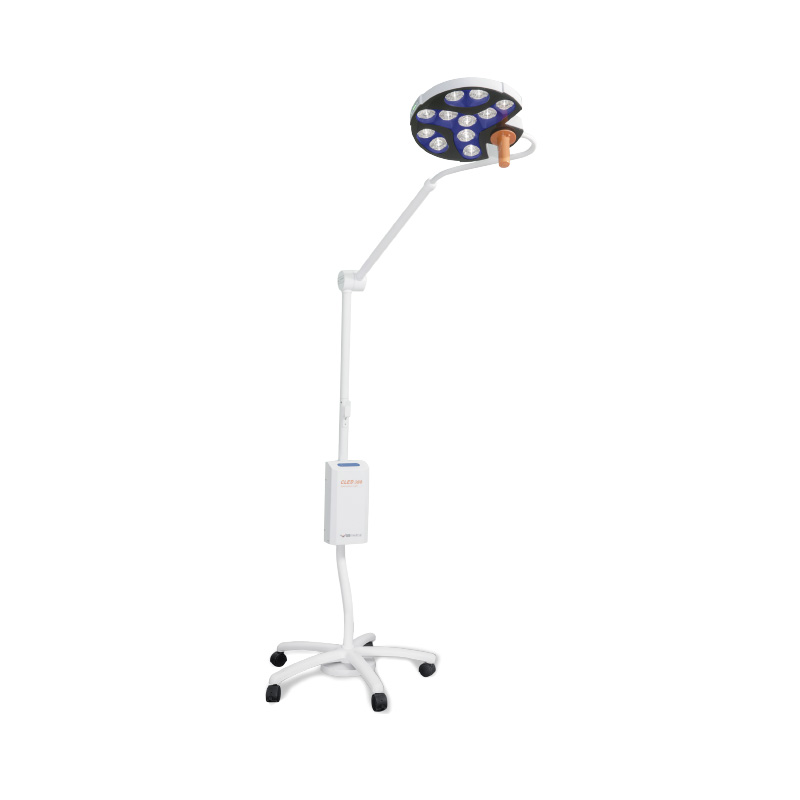
    When planning a new operating room or upgrading existing facilities, hospitals often need to decide between ceiling-mounted surgical lights and mobile surgical lights. Both provide focused illumination, but the right choice depends on room layout, surgical requirements, installation conditions, and budget. This guide compares both options to help hospitals, medical equipment distributors, and project contractors choose suitable surgical light solutions for their needs.   What Is a Ceiling-Mounted Surgical Light? VLED SERIES Ceiling-mounted surgical lights   A ceiling-mounted surgical light is fixed to the ceiling using a support structure and adjustable arms. It provides stable illumination while keeping the floor clear for surgical teams and other equipment. This design is often preferred for permanent operating rooms where lighting equipment is used frequently. Before installation, hospitals should consider ceiling load capacity, mounting height, power supply, and the arrangement of surgical tables and medical pendants. Although ceiling-mounted lights offer convenient positioning, they require proper planning and professional installation.   What Is a Mobile Surgical Light? CLED 328/ 388 Mobile LED surgical light   A mobile surgical light uses a wheeled base, allowing staff to move it between rooms when needed. It can be a practical option for examination rooms, outpatient clinics, treatment areas, and facilities that need flexible equipment arrangements. Hospitals should check the light's illumination performance, base stability, movement space, and power requirements. Battery availability also varies by model. Mobile lights offer flexibility, but their suitability for complex surgical procedures depends on the product specifications and clinical requirements.   EXLED 15 Mobile Surgical Lights   Ceiling-Mounted vs. Mobile Surgical Lights: Key Differences Comparison Factor Ceiling-Mounted Lights Mobile Lights Installation Requires fixed ceiling installation Usually requires no fixed ceiling mounting Space Utilization Keeps the floor clear Needs parking and movement space Mobility Adjusted around the mounting point Can move between suitable rooms Infrastructure Requires structural and electrical planning Requires suitable power access Maintenance Arms, mounting structure, and electrical parts Wheels, base, arms, and electrical parts Typical Applications Permanent operating rooms Examination rooms and flexible treatment areas Neither option is automatically better for every hospital. The decision should reflect clinical use, room design, equipment configuration, and long-term operating requirements.   Which Surgical Light Is Better for Different Hospital Settings? New Operating Room Construction Ceiling-mounted lights are often a practical choice for new operating rooms because their positions can be planned alongside surgical tables, medical pendants, and other equipment. Early coordination helps avoid installation conflicts. Existing Hospitals and Renovation Projects Older buildings may have structural limitations or restricted ceiling space. Mobile lights can offer an alternative when installing fixed equipment is difficult, provided their performance meets the intended clinical requirements. Outpatient Clinics and Treatment Rooms Mobile lights are useful where equipment needs to serve multiple rooms. Staff can reposition them as needed, although storage space, movement routes, and cleaning procedures should be considered. High-Volume Surgical Departments Departments with regular surgical schedules may benefit from fixed lighting arrangements that support consistent workflows. The final choice should also account for positioning flexibility, maintenance access, and the requirements of each procedure.   What Specifications Should Hospitals Compare Before Buying? Installation type is only one part of the purchasing decision. Hospitals should compare the following specifications across suitable models: Illuminance: Confirm that the adjustable light output meets the intended clinical application. Color rendering index: Check how accurately tissue colors can be distinguished under the light. Color temperature: Review the available settings and adjustment range. Light field and shadow management: Evaluate illumination coverage and performance when the light path is partially obstructed. Positioning: Assess arm movement, lamp-head adjustment, and ease of handling. Cleaning: Check whether surfaces and handles are suitable for the facility's cleaning and disinfection procedures. Power supply: Confirm electrical requirements and battery options, where applicable. Compliance documentation: Request relevant certifications, test reports, and regulatory documents for the target market. For product comparisons, hospitals can review the CLED 328/388 surgical light, the EXLED 15 examination light, and the VLED surgical light. Always verify the installation options and technical specifications of the individual model before purchasing.     Installation, Maintenance, and Total Cost of Ownership The total cost of a surgical light includes more than its purchase price. Ceiling-mounted systems may require structural assessment, installation, and commissioning. Mobile units may reduce fixed installation requirements but need adequate storage, movement space, and maintenance of wheels and bases. Both types require routine cleaning, electrical inspections, preventive maintenance, and access to replacement parts. Hospitals should compare quotations based on the complete configuration, installation conditions, warranty, service support, and expected usage rather than equipment price alone.   How to Choose a Reliable Surgical Light Manufacturer For hospitals and distributors purchasing in volume, a reliable manufacturer should provide clear technical documentation, consistent quality control, suitable product configurations, and responsive after-sales support. Experience with international medical equipment projects can also help buyers assess delivery arrangements, documentation, and product suitability. Before placing an order, confirm product availability, lead times, applicable regulatory requirements, spare-parts support, and the scope of technical assistance. These details are particularly important for projects involving multiple operating rooms or different installation types.   Why Consider VG Medtech for Surgical Lighting Solutions? VG Medtech offers surgical and examination lighting options for different medical environments. Hospitals, distributors, and project contractors can compare available models according to installation requirements, illumination specifications, and intended applications. Review the relevant product documentation and discuss your project requirements with the supplier before finalizing a configuration. A clear understanding of room conditions, clinical needs, and maintenance expectations will help your team make a more informed purchasing decision. Looking for surgical lighting for a hospital or medical project? Contact VG Medtech to discuss product specifications, available configurations, and procurement requirements.  
  • The Guide to the Trendelenburg Position
    Oct 13, 2026
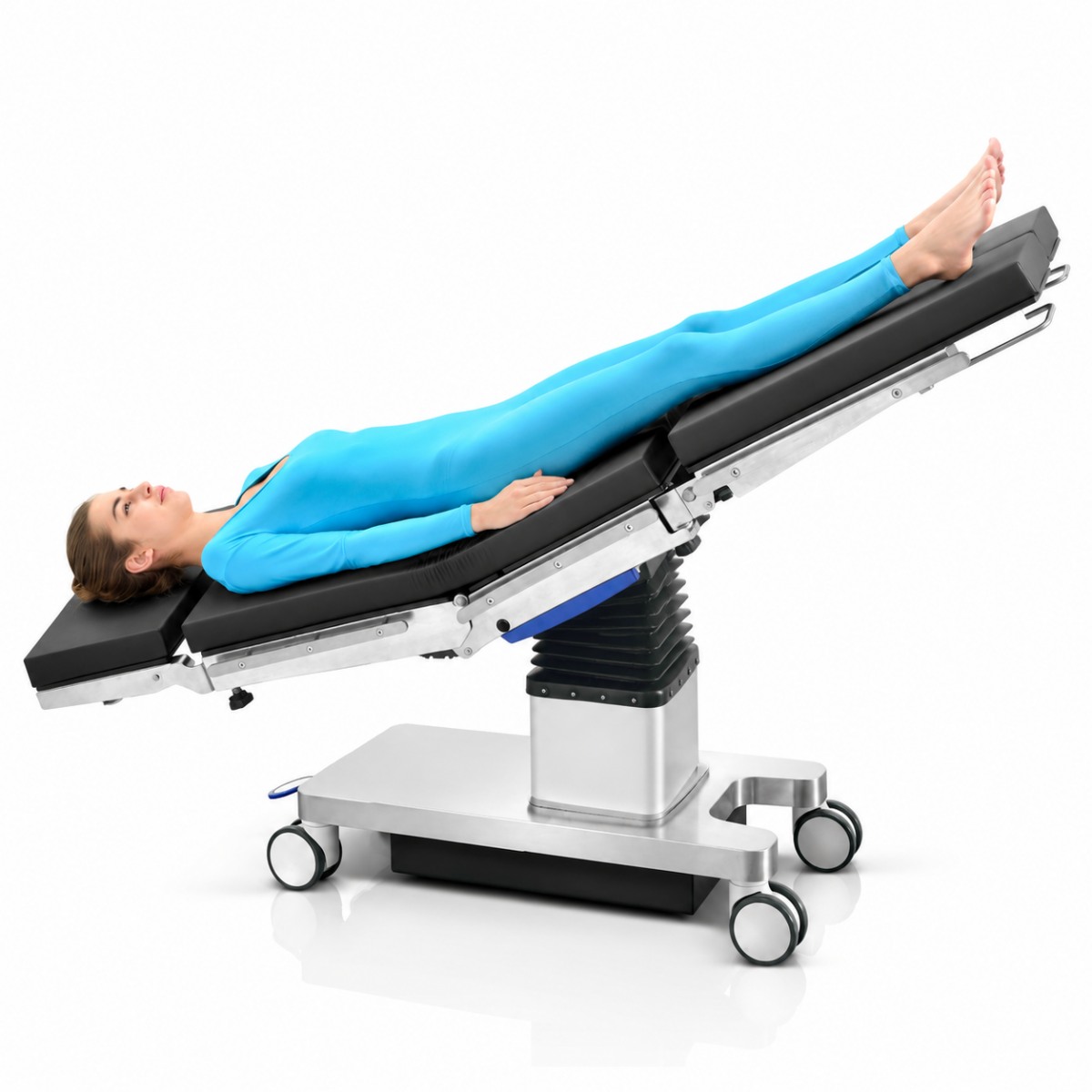
    The Trendelenburg position is widely used in operating rooms when a procedure requires the patient's head to be positioned lower than the feet. Although it may look like a simple adjustment of the operating table, the position can affect breathing, circulation, pressure distribution, and the surgical team's access to the operative site. Understanding when and how it is used helps clinical teams plan positioning more carefully and helps hospital procurement teams evaluate the equipment needed for different procedures. This guide explains what the Trendelenburg position is, why it is used, how it differs from reverse Trendelenburg, and what healthcare professionals should consider when positioning a patient. It also outlines the role of modern operating tables and positioning accessories in supporting controlled, stable positioning.   What Is the Trendelenburg Position? The Trendelenburg position is a variation of the supine position in which the patient lies on their back while the operating table is tilted so that the head is lower than the feet. The angle is selected by the clinical team according to the procedure, the patient's condition, and the requirements of the surgical approach. It is commonly associated with laparoscopic and pelvic procedures, where tilting the body can help abdominal organs move away from the operative area under gravity. However, the position is not suitable for every patient or every procedure. Its potential benefits must be balanced against respiratory, cardiovascular, ocular, and positioning-related risks. In an operating room, Trendelenburg is usually achieved through the table's powered tilt function rather than by placing extra support under the patient's body. The table must provide an appropriate positioning range and a stable platform, while the team ensures that the patient remains secure throughout the procedure. Trendelenburg Position Why Is the Trendelenburg Position Used in Surgery? 1. To Improve Surgical Access One reason for using Trendelenburg is to improve access to the pelvis and lower abdominal cavity. In selected laparoscopic procedures, a head-down tilt can allow the abdominal contents to shift away from the surgical field, giving the surgeon a clearer working area. The position is commonly considered in some gynecological and urological procedures and in selected lower abdominal operations. The required tilt depends on the procedure, the patient's anatomy, the surgical technique, and the team's assessment. A steeper angle is not automatically better; the aim is to achieve adequate exposure while limiting unnecessary physiological stress. 2. To Support the Planned Surgical Approach Patient positioning is part of surgical planning, not simply a last-minute adjustment. The surgeon, anesthesiologist, and operating room team consider the intended access route, equipment layout, airway management, and duration of the procedure before choosing a position. For example, a minimally invasive pelvic procedure may require a different tilt from an operation performed through an open abdominal incision. The table's range of movement, the need for imaging, and the placement of other operating room equipment can all influence the final setup. 3. To Maintain a Stable Position During the Procedure When the table is tilted, gravity can cause the patient to slide toward the head end or shift against the supports. This creates a need for suitable positioning aids, careful padding, and checks of the patient's alignment. The selected support system must be compatible with the procedure and used according to the device manufacturer's instructions. Hospitals sourcing operating tables should assess the table's available tilt movements, safe working load, patient-securement options, tabletop design, and compatibility with required accessories rather than relying on the maximum tilt angle alone.   Trendelenburg vs. Reverse Trendelenburg: What Is the Difference? Reverse Trendelenburg Position The two positions are essentially opposite table inclinations. The correct choice depends on the operative site and the patient's clinical needs. Comparison Trendelenburg Reverse Trendelenburg Table orientation Head lower than feet Head higher than feet Typical surgical consideration Selected pelvic and lower abdominal procedures Selected upper abdominal and head-and-neck procedures Potential physiological concern Respiratory mechanics, venous pressure, facial or airway swelling Reduced venous return and possible hypotension Main planning priority Secure positioning and monitoring during head-down tilt Hemodynamic monitoring and prevention of sliding   These are general distinctions rather than instructions for choosing a position. The surgical and anesthesia teams should determine the appropriate position for each patient and procedure.   How Does Trendelenburg Affect the Body? Tilting the body head-down changes the distribution of blood and the relationship between the abdominal organs and the diaphragm. These changes may be clinically significant, especially when the position is steep or maintained for a prolonged period. Respiratory effects: Abdominal contents can move toward the diaphragm, reducing lung volume and respiratory compliance. Ventilation may become more challenging in some patients. Circulatory effects: Head-down tilt can alter venous return and cardiovascular loading. The response varies according to the patient's condition and anesthetic management. Eye and facial effects: Prolonged positioning, particularly at steep angles, may increase intraocular pressure and contribute to facial, tongue, or airway swelling. Pressure and nerve risks: Poorly distributed pressure, sliding, or excessive force from supports may contribute to skin injury, nerve compression, or stretch injury. Patients with significant respiratory or cardiovascular disease, elevated intraocular pressure, obesity, or other relevant risk factors may require additional assessment. These factors do not translate into one universal rule for every case; the clinical team must evaluate the individual patient and the anticipated duration and degree of tilt. Trendelenburg should not be used simply as a routine method to improve circulation in critically ill patients. Evidence-based guidance highlights that head-down positioning can adversely affect respiratory mechanics and hemodynamics in some critically ill populations. Its use should be based on a clear clinical indication.   Patient Positioning Safety Checklist Safe positioning involves more than setting the desired table angle. Before and during a procedure, the team should follow institutional policies and applicable professional guidance. Assess the patient: Consider body size, mobility, medical history, skin condition, respiratory status, and other factors that may increase positioning risk. Confirm table compatibility: Verify the operating table's rated load, tilt range, locking and movement functions, and any restrictions in its instructions for use. Plan patient securement: Use appropriate positioning devices and padding to reduce sliding without creating excessive pressure on the shoulders, nerves, or other vulnerable areas. Protect the airway and access points: Check that the airway, intravenous lines, monitoring cables, and other connections remain accessible and are not pulled or compressed during movement. Recheck after tilting: Confirm alignment, support placement, pressure points, and equipment clearance after the table reaches the intended position. Monitor throughout the procedure: Observe the patient and reassess positioning when the procedure, table angle, or clinical condition changes. Shoulder braces or other supports should not be selected or applied casually. Improper placement can create pressure or stretch on the brachial plexus. The positioning method should follow current clinical guidance, the device's instructions, and local protocols. Positioning accessories should be selected for the procedure and applied to minimize pressure and nerve injury risks. Hospitals and distributors can review available patient positioning accessories when planning an operating room equipment package. Compatibility, intended use, cleaning requirements, and the manufacturer's instructions should be confirmed before procurement.   What Should Hospitals Consider When Choosing an Operating Table? For hospitals, medical equipment distributors, and project contractors, Trendelenburg capability is one part of a wider operating table specification. A table may offer a broad range of movements, but the practical value depends on whether those movements suit the procedures performed at the facility. Positioning range: Confirm Trendelenburg and reverse Trendelenburg ranges in the technical specifications, along with lateral tilt and other required movements. Patient capacity: Check the rated safe working load and any limitations that apply to particular movements or accessories. Imaging requirements: For procedures using C-arm imaging, assess tabletop radiolucency and imaging access. Accessory compatibility: Verify that supports, restraints, headrests, and other accessories are suitable for the table model and intended procedure. Operation and maintenance: Review control options, emergency operation procedures, cleaning requirements, spare parts, warranty terms, and service support. Project requirements: For new operating rooms, coordinate the table with surgical lights, ceiling supply units, room layout, and other equipment to avoid access or movement conflicts. VG Medical supplies operating room equipment including surgical tables, surgical lights, ceiling supply units, and integrated OR solutions. Buyers planning a new room or upgrading an existing one can compare the available surgical lighting systems alongside table specifications to support a coordinated equipment plan. Surgical lighting and table positioning should be planned together to maintain access to the operative field. Frequently Asked Questions About the Trendelenburg Position What is the Trendelenburg position used for? It is used in selected surgical procedures to place the patient's head below the feet. In some pelvic and lower abdominal operations, gravity helps move abdominal contents away from the operative field. The decision depends on the procedure and the patient's clinical condition. What is the difference between Trendelenburg and reverse Trendelenburg? In Trendelenburg, the head is lower than the feet. In reverse Trendelenburg, the head is higher than the feet. The positions are used for different surgical and clinical purposes and can produce different respiratory and circulatory effects. Is the Trendelenburg position safe for every patient? No. The position can affect breathing, circulation, eye pressure, and tissue pressure. The clinical team should assess patient-specific risks, select the necessary angle, and monitor the patient according to current guidelines and institutional protocols. How long can a patient remain in the Trendelenburg position? There is no single duration that is appropriate for every patient or procedure. Risk depends on the degree of tilt, procedure length, underlying health conditions, and other factors. The team should use the minimum positioning required for the procedure and reassess the patient throughout. What operating table features are important for Trendelenburg positioning? Important considerations include the specified tilt range, safe working load, stability, patient-securement options, compatible positioning accessories, and ease of controlled adjustment. Hospitals should verify each feature against the manufacturer's technical documentation and the needs of their surgical specialties. Does Trendelenburg improve blood pressure in all patients? No. Although the position can temporarily change venous return, it is not a universal treatment for low blood pressure or poor circulation. Its physiological effects vary, and it may be harmful in some patients. Clinical decisions should be made by qualified healthcare professionals.   References Speth J. Guidelines in Practice: Positioning the Patient. AORN Journal. 2023;117(6):384–390.  Armstrong M, Moore RA. Anatomy, Patient Positioning. StatPearls [Internet]. StatPearls Publishing.  Burlingame BL. Guideline Implementation: Positioning the Patient. AORN Journal. 2017;106(3):227–237.  Lopes CMM, Galvão CM. Surgical positioning: evidence for nursing care. Revista Latino-Americana de Enfermagem. 2010;18(2):287–294.  Reinforcement of positioning precautions and respiratory considerations: S2e guideline on positioning and early mobilisation in prophylaxis or therapy of pulmonary disorders. GMS German Medical Science. 2015.  Medical disclaimer: This article is intended for general educational and medical equipment planning purposes. It does not replace clinical judgment, professional positioning guidelines, or the instructions for use supplied with a medical device.
  • Modern Innovations in Surgical Lighting
    Aug 05, 2026
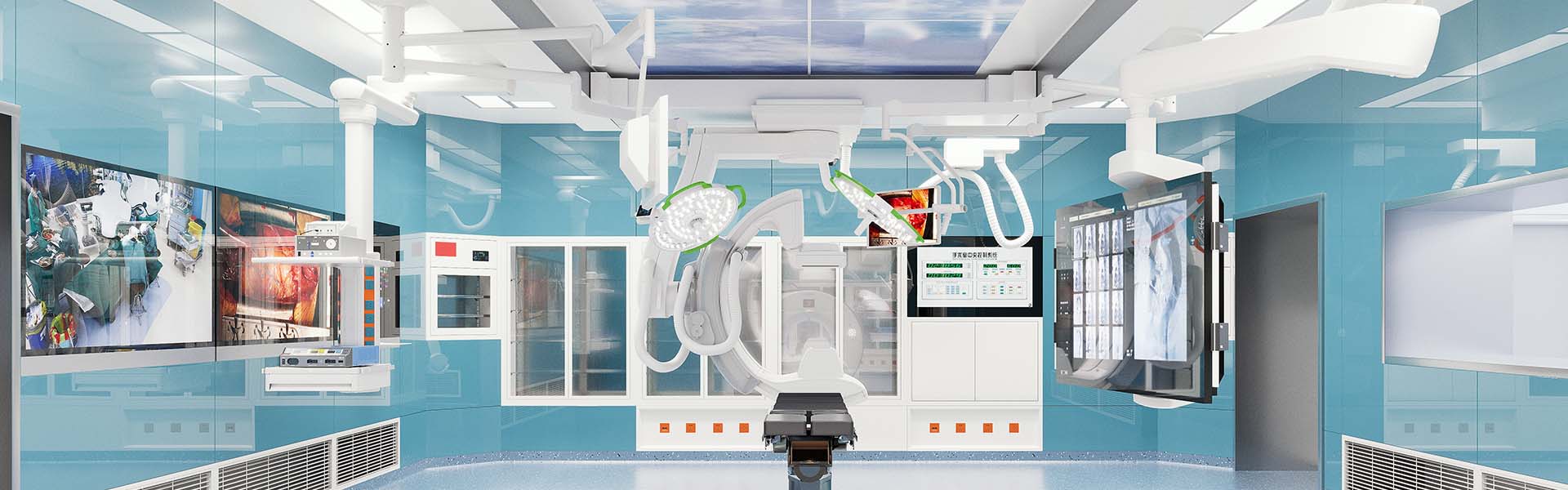
    The Science Behind Shadowless Operating Room Lighting In the high-stakes environment of a modern operating room, lighting is not merely a convenience—it is a critical factor that directly impacts surgical precision, patient safety, and clinical outcomes. The surgical light, commonly known as the "shadowless lamp," represents one of the most refined applications of optical science in medical equipment. Intelligent Shadow Compensation Advanced surgical lights now incorporate smart algorithms that automatically optimize light distribution. When the system detects partial obstruction—such as a surgeon leaning into the light path—it can dynamically adjust output from individual LED groups to maintain consistent illumination at the surgical site.   Multi-Spectrum Lighting Some cutting-edge surgical lights employ multi-spectrum technology, allowing surgeons to switch between different wavelength combinations. This capability enhances visibility of specific tissue types—for example, using green-tinged light to improve blood vessel contrast during vascular surgery.   Integrated Camera Systems Many modern surgical lights integrate high-definition cameras within the light head, enabling real-time surgical recording, live streaming for teaching purposes, and integration with digital operating room systems. VG Medical's Surgview medical display series works seamlessly with these integrated systems, providing the visual backbone for digital OR workflows.   Aerodynamic Design for Laminar Flow Compatibility   In modern operating rooms equipped with laminar airflow systems, the surgical light's aerodynamic profile is critical. Well-designed lights maintain a turbulence index below 20%, ensuring that the laminar airflow pattern—which controls airborne contamination—is not disrupted. This design consideration is essential for maintaining the sterile surgical environment.   Frequently Asked Questions 1. How does intelligent shadow compensation work in modern surgical lights? Modern surgical lights use smart algorithms and dynamic LED group adjustment to automatically compensate for shadows. This ensures continuous, uniform illumination even when surgeons’ heads or hands obstruct the light path. 2. What is the purpose of multi-spectrum lighting in the operating room? Multi-spectrum lighting utilizes different wavelength combinations to enhance specific visual contrasts. For example, a green-tinged light mode can significantly improve the visibility of blood vessels during vascular surgeries. 3. How are integrated camera systems utilized in modern surgical lighting? Integrated HD cameras enable real-time recording and live streaming directly from the light source. This facilitates digital OR integration, surgical education, and remote consultations without requiring separate camera.
1 2

leave a message

leave a message
If you are interested in our products and want to know more details,please leave a message here,we will reply you as soon as we can.

Home

Products

contact