What Is the Difference Between an Anesthesia Pendant and a Surgical Pendant?
Nov 03, 2026
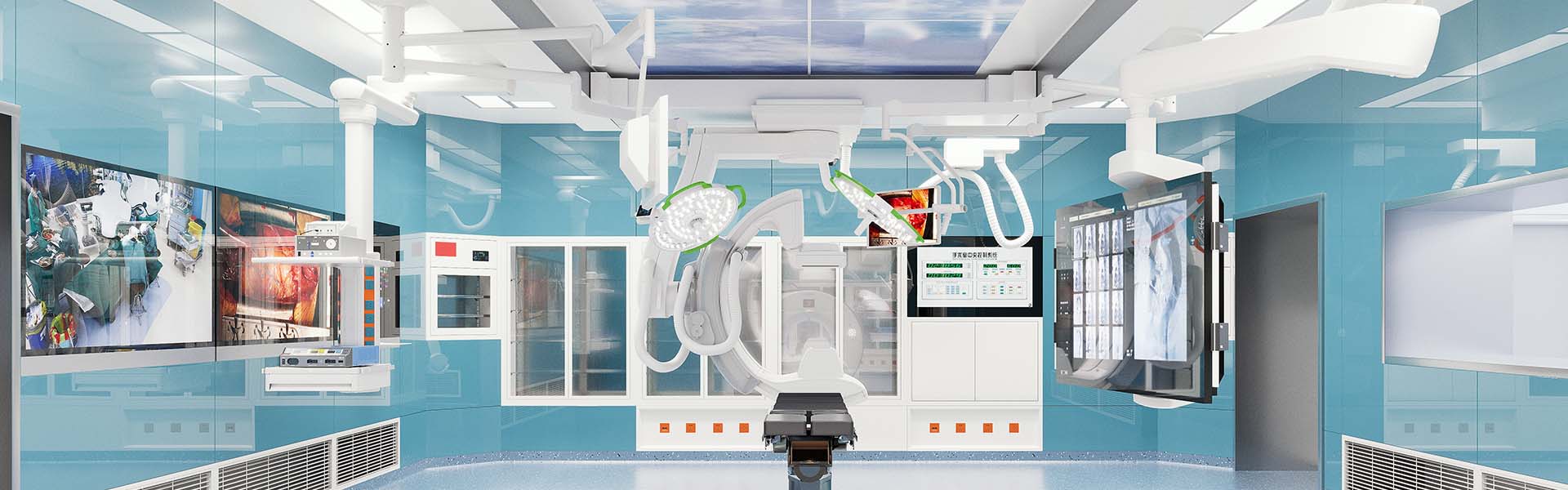
In a modern operating room, medical equipment needs to be accessible without getting in the way of the surgical team. Ceiling-mounted medical pendants help achieve this by bringing medical gases, electrical outlets, equipment shelves, and other essential connections closer to where they are needed. However, when planning an operating room, hospitals often face an important question: should they choose an anesthesia pendant or a surgical pendant?
Although both systems are part of an operating room ceiling pendant solution, they serve different clinical workflows. An anesthesia pendant is primarily designed to support anesthesia delivery and patient monitoring, while a surgical pendant focuses on providing utilities and equipment access around the surgical field.
Understanding their differences helps hospital planners, medical equipment distributors, and healthcare project contractors select the right configuration for each operating room. This guide explains how the two systems differ in function, equipment configuration, installation, and practical applications.
1. What Is an Anesthesia Pendant?
An anesthesia pendant is a ceiling-mounted medical supply system designed primarily for the anesthesia workstation. It provides convenient access to medical gases, electrical power, and equipment connections needed during anesthesia administration and patient monitoring.
During surgery, the anesthesia team must continuously monitor the patient's vital signs, manage ventilation, and adjust anesthesia delivery. Anesthesia machines, patient monitors, infusion devices, and related accessories all require an organized workspace.
An anesthesia pendant helps bring these connections and supporting equipment into the appropriate working area. Depending on the model and hospital requirements, its configuration may include:
Medical gas outlets, including oxygen and other specified gas connections.
Electrical power outlets for anesthesia and monitoring equipment.
Equipment shelves and support platforms for anesthesia machines and monitors.
Medical equipment mounting rails and accessory holders.
Integrated cable and pipeline management.
Adjustable arms or rotating structures for improved equipment accessibility.
The main purpose is to keep anesthesia equipment organized and accessible while reducing unnecessary movement around the patient's head and anesthesia workstation.
2. What Is a Surgical Pendant?
A surgical pendant is another type of ceiling-mounted medical supply system, but its primary role is to support the surgical team and equipment around the operating table.
During an operation, surgeons and nurses need access to various medical devices, electrical connections, and supporting equipment. A surgical pendant provides a centralized location for these utilities while helping maintain an organized surgical environment.
Depending on the surgical specialty and room design, a surgical pendant may be configured with:
Medical gas outlets required for the surgical environment.
Electrical outlets for surgical instruments and medical devices.
Equipment shelves for supporting surgical equipment.
Instrument and accessory mounting rails.
Monitor mounting solutions, where required.
Adjustable support arms and cable management systems.
Unlike an anesthesia pendant, which is generally positioned to support the anesthesia workstation, a surgical pendant is arranged around the surgical team's equipment and workflow requirements.
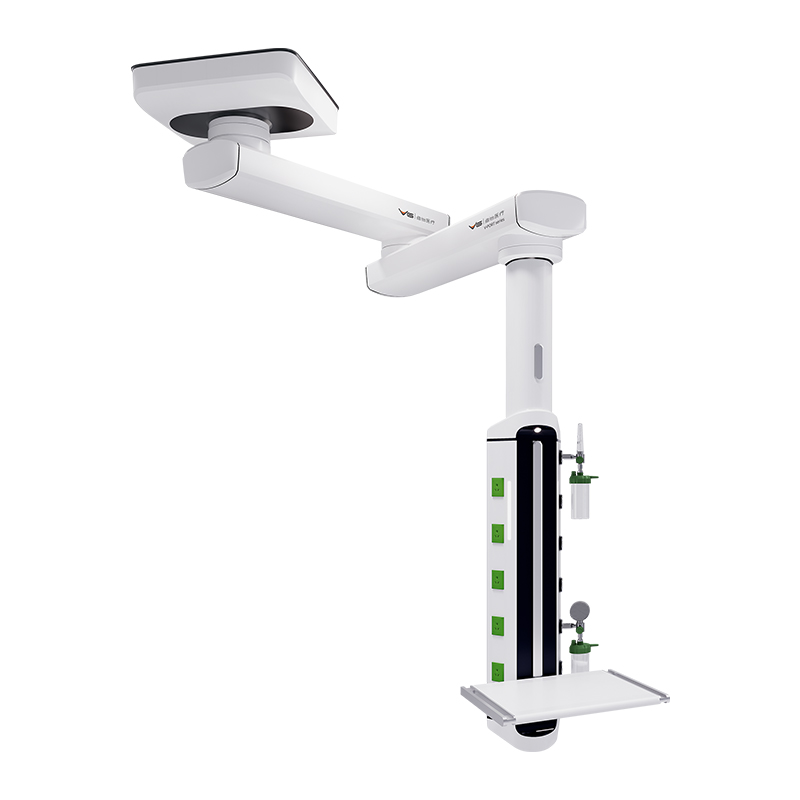
For hospitals planning a complete operating room installation, the V-PORT C SERIES offers a modular ceiling-mounted medical supply solution. Its configuration supports operating room and ICU applications, with features including flexible equipment rails, integrated cable management, and adjustable equipment support.
V-PORT C SERIES – Modular ceiling-mounted medical supply system
3. Anesthesia Pendant vs. Surgical Pendant: Key Differences
The biggest difference between an anesthesia pendant and a surgical pendant is not simply their appearance. It is how each system supports the clinical team during a procedure.
Comparison
Anesthesia Pendant
Surgical Pendant
Primary function
Supports anesthesia delivery and monitoring
Supports surgical equipment and procedures
Main users
Anesthesiologists and anesthesia nurses
Surgeons and operating room nurses
Typical equipment
Anesthesia machines and patient monitors
Surgical devices and supporting equipment
Positioning
Near the anesthesia workstation and patient's head
Around the operating table and surgical workspace
Configuration focus
Anesthesia equipment accessibility
Surgical equipment accessibility
Typical application
Operating rooms and specialized procedure rooms
General and specialized operating rooms
One important point is that these two systems may share certain components, including medical gas outlets, electrical connections, shelves, and support rails. Their actual configurations depend on the clinical requirements and equipment list rather than the product name alone.
4. Differences in Equipment Configuration and Positioning
Equipment configuration is one of the most important considerations when selecting a ceiling pendant system. Even when two pendants have similar structures, their accessories and installation positions can be quite different.
Anesthesia pendant configuration: The system is generally positioned near the anesthesia workstation. Its design should allow anesthesiologists to access gas connections, power outlets, monitoring devices, and anesthesia equipment without interfering with other clinical activities.
Surgical pendant configuration: This system is arranged to provide convenient access to equipment used by the surgical team. Shelf dimensions, mounting rails, electrical outlets, and arm movement should be considered according to the type of surgery and the equipment used in the room.
For larger operating rooms, hospitals may choose a combination of different pendant systems to serve the anesthesia and surgical areas separately. This arrangement can help reduce equipment congestion and make daily workflows easier to manage.
V-PORT B SERIES – Ceiling-mounted medical supply unit
5. How to Choose the Right Operating Room Ceiling Pendant
Choosing between an anesthesia pendant and a surgical pendant requires more than comparing product specifications. Hospital planners should consider the actual room layout, medical equipment requirements, and the working habits of clinical staff.
Here are five factors worth reviewing before purchasing:
1. Clinical workflow: Identify the equipment used by anesthesiologists, surgeons, and nursing staff. The pendant should support their daily tasks without creating unnecessary movement or obstructing access to the patient.
2. Medical gas requirements: Confirm the required gas types, outlet quantities, and connection standards with the hospital's medical gas system design. Different operating rooms may have different requirements.
3. Electrical and equipment capacity: Check the number and specifications of electrical outlets, equipment shelf dimensions, mounting options, and the permitted load capacity of the pendant system.
4. Ceiling structure and installation: Review ceiling height, structural load-bearing capacity, arm rotation, installation clearances, and the positions of surgical lights and other ceiling-mounted equipment.
5. Future expansion and customization: Consider whether the system can accommodate additional monitors, medical devices, accessories, or changes in clinical workflow. A modular design can make future adjustments easier.
It is also important to coordinate pendant installation with the operating table, surgical lighting, HVAC system, and other ceiling-mounted equipment. Early coordination can reduce layout conflicts and avoid costly modifications during installation.
V-PORT C SERIES – Medical gas and electrical connection configuration
6. Why Modular Medical Pendant Systems Matter
Modern hospitals increasingly prefer modular medical pendant systems because operating room requirements can vary significantly between departments and projects.
A modular system allows hospitals to select different column structures, support arms, shelves, gas terminals, electrical outlets, and accessory configurations according to the intended application.
For example, the V-PORT C medical pendant features flexible equipment rail design, high load-bearing capability, integrated cable management, and an electromagnetic braking system. These features help organize medical equipment and support efficient positioning within clinical environments.
For projects requiring a bridge-style arrangement, the V-PORT B SERIES provides another configuration option. Its bridge-type structure and modular design can support equipment integration in operating rooms and intensive care environments.
When selecting a manufacturer, buyers should also review manufacturing capabilities, product documentation, quality management systems, installation support, and compliance with applicable medical device and medical gas standards.
7. Anesthesia Pendant or Surgical Pendant: Which One Do You Need?
The right choice ultimately depends on the clinical function of the room.
If the primary requirement is to support anesthesia machines, patient monitoring, and anesthesia-related connections, an anesthesia pendant is generally the appropriate choice.
If the main requirement is to provide utility connections and equipment support for surgical procedures, a surgical pendant is usually more suitable.
For a complete operating room project, hospitals may need both types of pendants to create separate, well-organized work areas. The final selection should be based on equipment specifications, medical gas planning, ceiling structure, and input from the clinical engineering and surgical teams.
VG Medical specializes in operating room and ICU equipment, including medical pendant systems, surgical lights, operating tables, and integrated OR solutions. With experience in medical equipment manufacturing since 2003, the company provides modular equipment solutions for hospitals and international medical equipment partners.
Whether you are planning a new operating room, upgrading an existing facility, or sourcing medical pendants for distribution, choosing the right configuration at the design stage can make a meaningful difference to equipment accessibility and workflow efficiency.
To discuss your project requirements, equipment configuration, or OEM/ODM needs, contact VG Medical for further product information.
Frequently Asked Questions
1. What is the main difference between an anesthesia pendant and a surgical pendant?
An anesthesia pendant primarily supports anesthesia equipment, medical gas connections, and patient monitoring near the anesthesia workstation. A surgical pendant provides utility connections and equipment support for the surgical team around the operating table. Their configurations are determined by clinical workflow and equipment requirements.
2. Can an anesthesia pendant be used as a surgical pendant?
Not automatically. Although both systems may share similar structural components, their equipment configurations, load requirements, and positioning can differ. Any alternative use should be evaluated against the intended application, manufacturer specifications, and applicable safety requirements.
3. What should hospitals consider when purchasing an operating room ceiling pendant?
Hospitals should evaluate medical gas outlets, electrical connections, equipment load capacity, shelf configuration, arm movement, ceiling installation conditions, and compatibility with other operating room equipment. Clinical workflow and future expansion should also be considered.
4. What is the difference between a single-arm pendant and a bridge-type medical pendant?
A single-arm pendant generally uses an articulated support arm connected to a medical supply column, allowing flexible positioning within its operating range. A bridge-type pendant uses a larger overhead structure to distribute medical utilities and equipment support across a wider area. The appropriate design depends on room layout, equipment requirements, and clinical workflow.
5. Does VG Medical offer medical pendant systems for operating rooms?
Yes. VG Medical offers modular medical pendant solutions, including the V-PORT C SERIES and V-PORT B SERIES. These systems support different clinical configurations and can be selected according to operating room and ICU project requirements.
 sales@vg-med.com
 Language