Surgical Table Supplier

Home Blogs

Surgical Table Supplier

  • How to Choose a Surgical Table: The Complete Buyer's Guide
    Sep 02, 2026
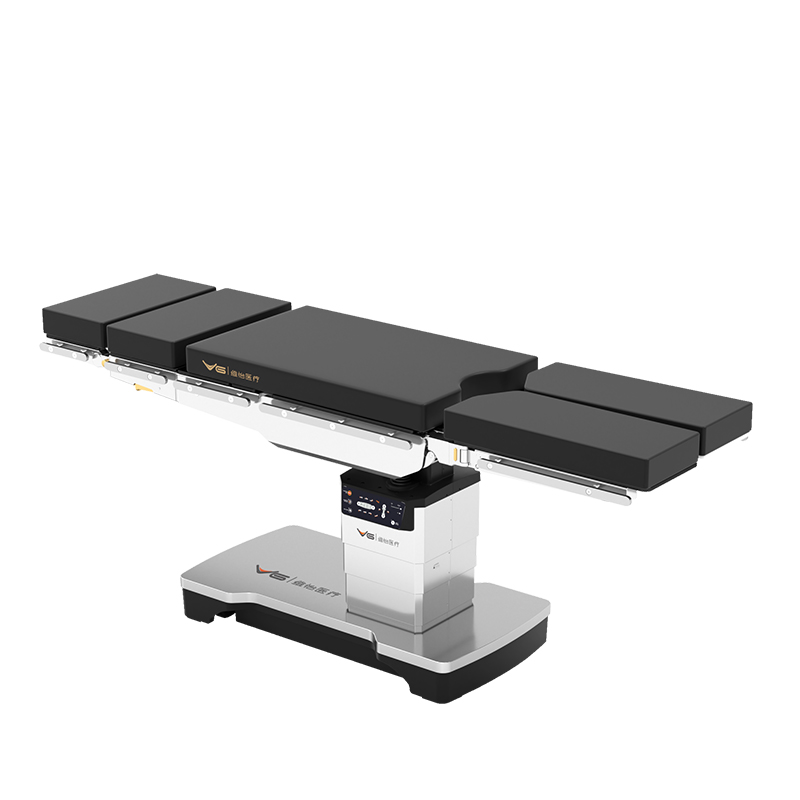
    how to choose a surgical table — the types, the seven factors that matter most, and the questions to ask before you sign. Choosing a surgical table is one of the most consequential equipment decisions an operating room team will make. The table is not a passive piece of furniture — it positions the patient, supports surgical access, and either enables or limits the imaging, specialty procedures, and workflow efficiency of your entire OR.   Yet buying teams often default to the cheapest quote or the brand they already know, without first defining what the table actually needs to do. This guide breaks down exactly how to choose a surgical table — the types, the seven factors that matter most, and the questions to ask before you sign. Why the Right Surgical Table Matters A surgical table directly affects three things your hospital is measured on: Patient safety — load capacity, stability under load, and fail-safe operation reduce the risk of intraoperative injury or equipment failure. Surgical precision and access — positioning range, articulation, and imaging compatibility determine whether your surgeons can do their best work.  Long-term return on investment (ROI) — a modular, serviceable table adapts to new specialties and keeps earning years after purchase, while a rigid one gets relegated to storage.   The wrong choice shows up as hidden cost: a table that cannot take a C-arm, an under-sized table that limits bariatric cases, or a drive system that cannot be serviced locally. Know the Main Types of Surgical Tables Before comparing brands, understand the categories. Surgical tables are generally grouped by drive system and by design architecture.   By drive system: Type How it moves Best for Electric (electromechanical) Motors drive all movements High-volume ORs, precise micro-adjustments, remote control Electro-hydraulic Electric pump + hydraulic cylinders Heavy load capacity, smooth height travel, stability Hydraulic (manual pump) Foot/hand pump pressurizes oil Lower cost, areas with unstable power Manual (mechanical) Hand cranks Low-cost backup, limited budget       Electric Hydraulic Table Best for Flagship Central OR  Heavy load capacity, smooth height travel, stability   Electric Table Best for Day Surgery and Outpatient High-volume ORs,precise micro-adjustments remote control   Manual Surgery Table Basic surgical needs  Low-cost backup, limited budget This product has been largely phased out   By architecture:   Fixed-top tables — single, integrated tabletop; robust and cost-effective for standard procedures.  Modular tables — interchangeable tabletops and attachments (orthopedic, urology, C-arm carbon-fiber tops); one base serves many specialties. Most modern hospitals standardize on electric or electro-hydraulic modular tables, which is why the rest of this guide focuses there. 7 Factors to Evaluate Before You Buy 1. Load Capacity and Patient Weight Range Load capacity is a safety spec, not a marketing number. Look for three figures: ·        Rated lifting capacity — the maximum weight the table can safely raise, typically 250–450 kg on modern electro-hydraulic tables. ·        Static load capacity — what the table holds when stationary (often higher than lifting capacity). ·        Articulated load capacity — the weight the table can support while tilted or flexed, which is usually lower. If your facility serves bariatric patients, confirm the table can articulate under high load without binding or strain — this is where cheaper hydraulic units often fall short. 2. Positioning Range and Tabletop Articulation Positioning flexibility is what separates a general table from one that can handle orthopedics, urology, neurosurgery, and gynecology. Evaluate: ·        Height range — low enough for seated/ophthalmic work, high enough for tall surgeons; typical range is 600–1,000 mm. ·        Trendelenburg and reverse Trendelenburg — degree of tilt for vascular, gynecologic, and laparoscopic cases. ·        Lateral tilt and back/leg section articulation — the more independent sections, the more positions you can configure. ·        Sliding tabletop (longitudinal travel) — critical for C-arm imaging clearance. Ask for the full positioning specification sheet, not a brochure photo. 3. Imaging Compatibility (C-Arm and X-Ray) If you do fluoroscopy, trauma, or minimally invasive surgery, imaging compatibility is non-negotiable. Two things to verify: ·        Radiolucent window — the tabletop must be transparent to X-rays along the imaging path. Carbon-fiber tabletops provide the best image clarity with minimal artifact. ·        C-arm clearance — the base and column must not block the C-arm as it sweeps under and around the table. Sliding tops and open-base designs are essential here. A table that is not C-arm compatible effectively locks your OR out of a growing share of procedures. 4. Modularity and Specialty Attachments A modular platform protects your investment. A single base that accepts interchangeable tops — orthopedic traction, urology/lithotomy, carbon-fiber imaging, bariatric — lets one table serve multiple specialties instead of buying three tables. When evaluating modularity, check how quickly attachments swap, whether the locking mechanism is secure, and how many accessory positions are available. 5. Drive System: Electric vs. Hydraulic vs. Electro-Hydraulic This is often the deciding factor. Quick comparison: ·        Electric (electromechanical) — fast, precise, quiet; ideal for high-turnover ORs. Slightly higher upfront cost but lower maintenance. ·        Electro-hydraulic — best load capacity and smoothness; excellent stability under heavy patients; the workhorse of orthopedics and bariatrics. ·        Pure hydraulic — lower cost, no reliance on power; but slower, less precise, and heavier to operate. Choose based on your case mix and power reliability, not on sticker price alone. 6. Infection Control and Cleanability Surgical tables are high-touch surfaces in a sterile environment. Prioritize: ·        Seamless, gap-free surfaces — fewer crevices for fluid and pathogens to collect. ·        Antimicrobial or non-porous coatings — easy to wipe down between cases. ·        Removable pads and rails — cleanable or sterilizable components. ·        Rounded edges and smooth welding — reduces residue traps and makes wiping faster. Faster, more reliable cleaning means faster room turnover and lower infection risk. 7. Safety Certifications and Standards Compliance Do not compromise here. Confirm the table is certified for your market: ·        MDR CE certification — mandatory for the EU and widely accepted globally. ·        IEC 60601 series — electrical safety for medical electrical equipment. ·        ISO 13485 — quality management system for medical devices. Certifications are evidence that the manufacturer's design, materials, and quality system have been independently audited — not just claimed. Electric vs. Hydraulic: Which One Fits Your OR?   Criterion Electric Electro-hydraulic Hydraulic Precision High High Medium Load capacity Medium–High Highest Medium Speed Fast Medium Slow Power dependency Full Partial None (manual) Maintenance Lower Moderate Moderate Upfront cost Higher Higher Lower   Bottom line: for a busy general OR, an electric table gives speed and precision. For orthopedics, bariatrics, and heavy-load work, electro-hydraulic is the safer bet. Pure hydraulic suits lower-budget or power-unstable settings. Total Cost of Ownership: Look Beyond the Sticker Price A surgical table's real cost is spread over 10–15 years of service. When comparing quotes, factor in: ·        Serviceability — are spare parts and trained technicians available in your region? A table that needs to be shipped overseas for repair has a hidden cost. ·        Warranty and support — what is covered, and for how long? ·        Training — does the supplier train your OR staff on safe operation and positioning? ·        Upgradeability — can you add modular tops later without replacing the base? ·        Durability — check materials, welding quality, and rated duty cycles. A cheaper table that is down for a month or cannot be upgraded costs far more than the savings. Red Flags to Watch Out For ·        Vague or missing load specifications — if the seller cannot provide rated/static/articulated load figures, walk away. ·        No imaging clearance documentation — ask for C-arm clearance drawings, not assurances. ·        No local service network — a great price means nothing if repairs take months. ·        Certifications not verifiable — ask for certificate numbers you can check against the issuer. ·        Limited positioning range — a table that cannot tilt or articulate will limit your surgeons. Surgical Table Selection Checklist ·        Rated lifting capacity meets your heaviest patient class ·        Articulated load capacity documented ·        Positioning range covers all your specialties (height, Trendelenburg, lateral tilt) ·        C-arm compatible, with radiolucent window and documented clearance ·        Modular attachments available for future specialties ·        Drive system matches your case mix and power reliability ·        Seamless, cleanable surfaces for infection control ·        MDR CE and IEC 60601 certified (verifiable certificate numbers) ·        Local service, spare parts, and staff training available ·        Transparent total cost of ownership, not just purchase price Frequently Asked Questions What is the standard weight capacity of a surgical table?Most modern surgical tables have a rated lifting capacity between 250 kg and 450 kg, with static load capacity often higher. Always confirm the articulated load capacity if you serve heavier patients, since the table must be able to tilt and flex safely under load. What is the difference between an electric and a hydraulic surgical table?An electric table uses motors for precise, fast, quiet positioning and needs a power supply. A hydraulic table uses pressurized fluid (operated by pump or electric pump) for high load capacity and smooth travel. Electro-hydraulic tables combine both: electric control with hydraulic lifting power, which is ideal for heavy-load work like orthopedics. Are surgical tables compatible with C-arm imaging?Not all of them. C-arm compatibility requires a radiolucent tabletop (often carbon-fiber) and an open base or sliding top that gives the C-arm clearance to sweep around the patient. If you perform fluoroscopy or minimally invasive surgery, make C-arm compatibility a hard requirement. What certifications should a surgical table have?For most global markets, look for MDR CE marking (EU), IEC 60601 electrical safety compliance, and ISO 13485 quality management. Ask for verifiable certificate numbers rather than relying on marketing claims. How often should a surgical table be serviced?Follow the manufacturer's schedule, but plan for at least an annual inspection of the drive system, hydraulic seals, electrical safety, and positioning mechanisms. Heavily used tables may need more frequent checks. Can one surgical table serve multiple specialties?Yes — a modular table with interchangeable tops (orthopedic, urology, carbon-fiber imaging, bariatric) lets a single base cover multiple specialties. This is one of the most effective ways to lower total cost of ownership. Choose a Table Built for the Long Run Selecting a surgical table is a decision you will live with for over a decade. Define your case mix first, then evaluate load capacity, positioning, imaging compatibility, modularity, drive system, cleanability, and certifications against that reality — not against the lowest quote. At VG Medical, we have designed and manufactured surgical tables for more than 20 years, with over 85 patents and products exported to 50+ countries. Our operating tables — including the VCARE 5000 and VCARE 7000 series, and the COMFORT 300 — are MDR CE certified, built on modular platforms, and engineered for precise positioning and easy integration into modern digital OR workflows. Need help specifying the right table for your OR? Contact our team for a detailed positioning specification, C-arm clearance drawings, and a tailored recommendation.
  • Radiolucent Surgical Table: The Complete Guide for Modern Operating RoomsMeta description
    Aug 24, 2026
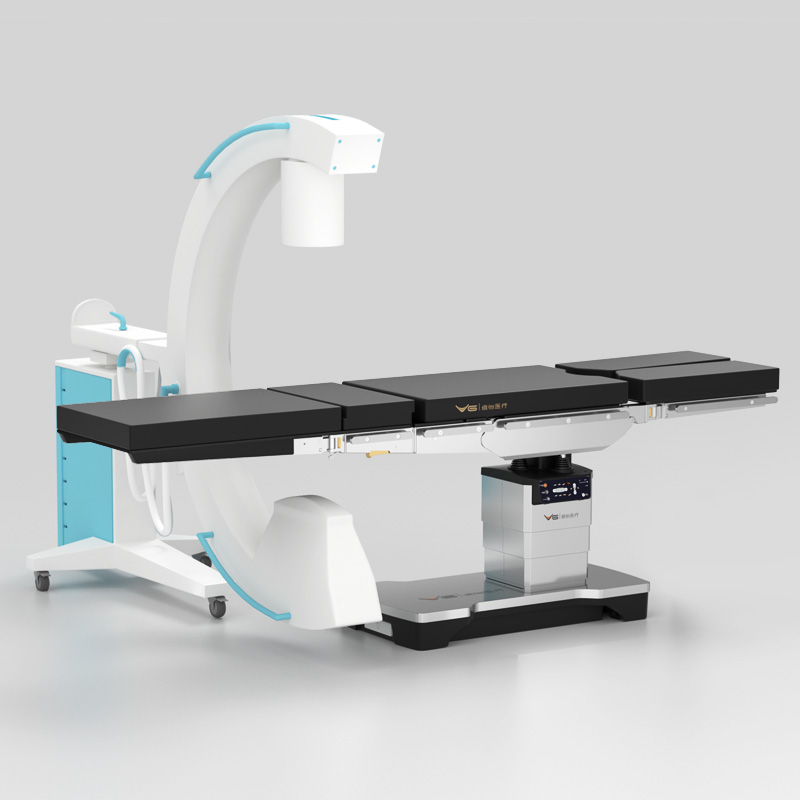
       A radiolucent surgical table enables full-body imaging without repositioning the patient Today we will learn how this electric operating table technology works, key buying criteria, and how to choose a raliable surgical table supplier. In modern surgery, imaging is no longer something that happens before or after the operation — it happens during it. Intraoperative fluoroscopy, C-arm navigation, and hybrid OR suites have made real-time visualization a routine part of orthopedic, trauma, vascular, and spinal procedures. The problem? A conventional operating table blocks X-rays at exactly the moment the surgical team needs a clear image. That is where the radiolucent surgical table comes in. Built from advanced carbon fiber and imaging-friendly composites, a radiolucent table allows X-rays, fluoroscopy, and CT scans to pass through the tabletop with minimal attenuation — giving surgeons uninterrupted, distortion-free visualization from skull to femur, without ever moving the patient. In this guide, we break down what makes a surgical table radiolucent, why it matters clinically, and what to look for when evaluating an electric operating table or choosing a surgical table supplier for your hospital or surgical center. What Does "Radiolucent" Actually Mean? Radiolucency is the ability of a material to allow radiation — typically X-rays — to pass through it. Materials with high radiolucency appear dark on imaging; materials that block radiation (like most metals) appear bright white and obscure anatomy. Traditional operating table frames use steel or aluminum. When a C-arm is positioned under a metal-framed surgical table, the frame casts shadows and artifacts into the image. The result: blurry anatomy, repeated exposures, and longer procedure times. A radiolucent surgical table solves this by engineering the patient-contact surfaces — the tabletop, backrest, leg sections, and extension attachments — from carbon fiber composites. Carbon fiber offers an exceptional strength-to-weight ratio while remaining virtually transparent to X-ray beams, permitting imaging across the full length of the table. The Clinical Payoff  Full-body, uninterrupted imaging. Long carbon fiber tabletops (often 1,800 mm or more) allow imaging of the spine, pelvis, and femur in a single setup.  No patient repositioning. Repositioning under anesthesia increases infection risk, breaks sterile field, and adds minutes to every case. With a radiolucent table, the patient stays put.  Lower radiation dose. Clearer first-pass images mean fewer repeat exposures — safer for patients and for the surgical team.  Faster workflows. Continuous imaging supports minimally invasive and fluoroscopy-guided techniques where precision depends on real-time feedback. Where Radiolucent Surgical Tables Earn Their Keep A radiolucent surgical table is not a niche product — it has become standard equipment across a wide range of disciplines: Orthopedics & trauma. From intramedullary nailing to fracture fixation, fluoroscopic control is essential. A radiolucent trauma table allows AP and lateral imaging of the entire lower limb without adjusting the patient. Spine surgery. Pedicle screw placement, kyphoplasty, and deformity correction all demand multi-level imaging. Carbon fiber tabletops paired with 3D C-arms or O-arms deliver clean images across the full spine. Vascular & endovascular procedures. Hybrid ORs combining surgery and interventional imaging rely on tables that support both — radiolucent surfaces compatible with fluoroscopy and angiography systems. Pain management & interventional radiology. Precise needle guidance under fluoroscopy or CT benefits directly from artifact-free imaging surfaces. General surgery. Even outside image-intensive specialties, a versatile surgical table with radiolucent capability future-proofs the OR as imaging-guided techniques expand. Electric Operating Table vs. Manual: Why It Matters More in Imaging Cases Not every radiolucent table is an electric operating table — but for image-guided surgery, electric operation is close to non-negotiable. Here's why: 1.      Precision positioning. Electric, electro-hydraulic systems adjust height, tilt (Trendelenburg/reverse Trendelenburg), lateral tilt, and backrest in smooth, incremental movements — critical when aligning a patient under a C-arm without losing your reference image. 2.     Memory functions. Many modern electric operating tables store position presets, so teams can reproduce exact configurations between cases and quickly return to a verified imaging position. 3.     Hands-free and remote control. Foot pedals and handheld remotes let circulating staff reposition the table mid-procedure without breaking scrub. 4.     Weight capacity with stability. Electric tables typically support patients up to 250–350 kg while maintaining rigidity — essential because flex or vibration under load degrades image quality. The best radiolucent tables combine both: carbon fiber imaging surfaces on a stable, fully electric column. That pairing gives surgical teams the freedom of unrestricted imaging with the ergonomic control of powered positioning. How to Evaluate a Radiolucent Surgical Table: 6 Checklist Items When you compare models — whether from an established European brand or a global surgical table supplier — run every option through this checklist: 1. Material & Imaging Performance Confirm the tabletop is genuine carbon fiber composite, not merely "X-ray compatible." Ask for attenuation data and ask specifically about imaging windows along the full longitudinal axis — not just the center section. 2. Range of Motion Look for generous tilt, lateral roll, slide, and height adjustment. Tables that translate longitudinally make C-arm repositioning faster and safer. 3. Modular Accessories A modular surgical table accepts interchangeable headrests, spine frames, traction units, and arm supports — extending usefulness across specialties. Radiolucent extension and leg sections should be available as options. 4. Weight Capacity & Stability Rated patient capacity of at least 250 kg is today's practical baseline. Check lateral stability at full tilt; a wobbling table ruins both surgery and imaging. 5. Battery & Power Redundancy Built-in rechargeable batteries ensure the electric operating table keeps working during power interruptions or intra-room transfers. Verify battery life per charge cycle. 6. Compliance & Service CE marking under MDR, ISO 13485 manufacturing, and documented electrical safety (IEC 60601) are baseline requirements. Equally important: does the supplier stock spare parts, top cushions, and accessories, and can they support your region? Choosing a Surgical Table Supplier: Beyond the Spec Sheet The table itself is only half the purchase. The other half is the partner behind it. When evaluating a surgical table supplier, weigh: Regulatory track record. MDR CE certification and 20+ years of manufacturing history indicate a quality management system that will still be around for your next order. Product breadth. A supplier that also manufactures surgical lights, ceiling pendants, and ICU equipment can deliver an integrated, compatible OR ecosystem — fewer vendors, fewer integration problems. OEM & customization capability. Hospitals with special requirements (bariatric variants, custom tabletop lengths, specialty traction setups) benefit from suppliers with in-house engineering and OEM experience.  Export experience. Suppliers active in 50+ countries understand logistics, installation support, documentation, and after-sales service across different regulatory regions.   ·        Training and documentation. Clear user manuals, positioning guides, and installation support dramatically shorten onboarding for OR staff. FAQ: Radiolucent Surgical Table Q1: What is a radiolucent surgical table?A radiolucent surgical table is an operating table whose patient-supporting surfaces — tabletop, backrest, and leg sections — are made from X-ray-transparent materials, typically carbon fiber composite. This allows intraoperative fluoroscopy, X-ray, and CT imaging to pass through the table without artifacts, so the patient does not need to be moved for imaging. Q2: How is a radiolucent table different from a standard operating table?A standard operating table uses metal components in the frame and tabletop that block X-rays and create imaging artifacts. A radiolucent surgical table replaces those components with carbon fiber, enabling clear imaging along nearly the entire table length. Functionally, both support patient positioning; only the radiolucent version supports uninterrupted intraoperative imaging. Q3: Which surgeries require a radiolucent surgical table?The strongest need is in orthopedic and trauma surgery, spine surgery, vascular and endovascular procedures, and pain management — anywhere fluoroscopy or C-arm imaging is used during the operation. Many hospitals now specify radiolucent capability for all new tables to keep their ORs future-ready. Q4: Is a carbon fiber surgical table strong enough for heavy patients?Yes. Modern carbon fiber composites are engineered for high load capacity — quality radiolucent tables typically support 250 kg or more. Carbon fiber's strength-to-weight ratio is actually superior to steel; it is the same material family used in aerospace structures. Q5: Should I choose an electric operating table or a manual one for image-guided surgery?For image-guided surgery, an electric operating table is strongly recommended. Electric and electro-hydraulic systems provide smooth, precise, incremental adjustments that keep the patient's imaging position stable during repositioning, plus weight capacity, memory presets, and hands-free control — features manual tables cannot match. Q6: How do I verify a surgical table is truly radiolucent?Ask the supplier for radiographic attenuation test data and request a demonstration with a C-arm if possible. Check that the radiolucent zone covers the full longitudinal axis of the tabletop — including optional extension sections — rather than only a central imaging window. Q7: What maintenance does a radiolucent surgical table need?Routine care includes inspecting carbon fiber surfaces for cracks or deep scratches (which can compromise structural integrity), checking cushion integrity, battery maintenance for electric models, and annual inspection of the column, controls, and brakes by qualified service engineers. Follow the manufacturer's service intervals. Q8: Can one radiolucent surgical table cover all specialties?A modular radiolucent table with interchangeable accessories — headrests, traction bridges, arm supports, and extension sections — can support general, orthopedic, trauma, spine, and vascular procedures. Dedicated specialties (e.g., complex spine deformity correction) may still benefit from specialty-specific frames used in combination with the table. The Bottom Line The shift toward intraoperative imaging has redefined what an operating table must do. A radiolucent surgical table is no longer a premium extra — it is core infrastructure for any OR performing image-guided surgery. When selecting yours, look for full-length carbon fiber imaging surfaces, powered electro-hydraulic positioning, modular accessories, and a surgical table supplier with proven regulatory compliance and long-term service capability. The right table doesn't just hold the patient. It keeps the image clean, the workflow fast, and the surgical team in control — from incision to closure.   Looking for an MDR CE-certified radiolucent surgical table? Explore VG Medical's electric operating table series — carbon fiber imaging surfaces, modular design, and 20+ years of operating room equipment manufacturing experience, trusted in 50+ countries. Contact our team for a configuration matched to your specialty.   Carbon Fiber Board for Surgical table Cabon fiber tabletop enables complete C-arm imaging with zero patient repositioning. Carbon Fiber Board for Surgical table Whatever you needs, CARESTONE is at your side. Carbon Fiber Board for Surgical table Whatever you needs, CARESTONE is at your side.
  • Types of Surgical Tables: A Complete Guide for Healthcare Facilities
    Aug 21, 2026
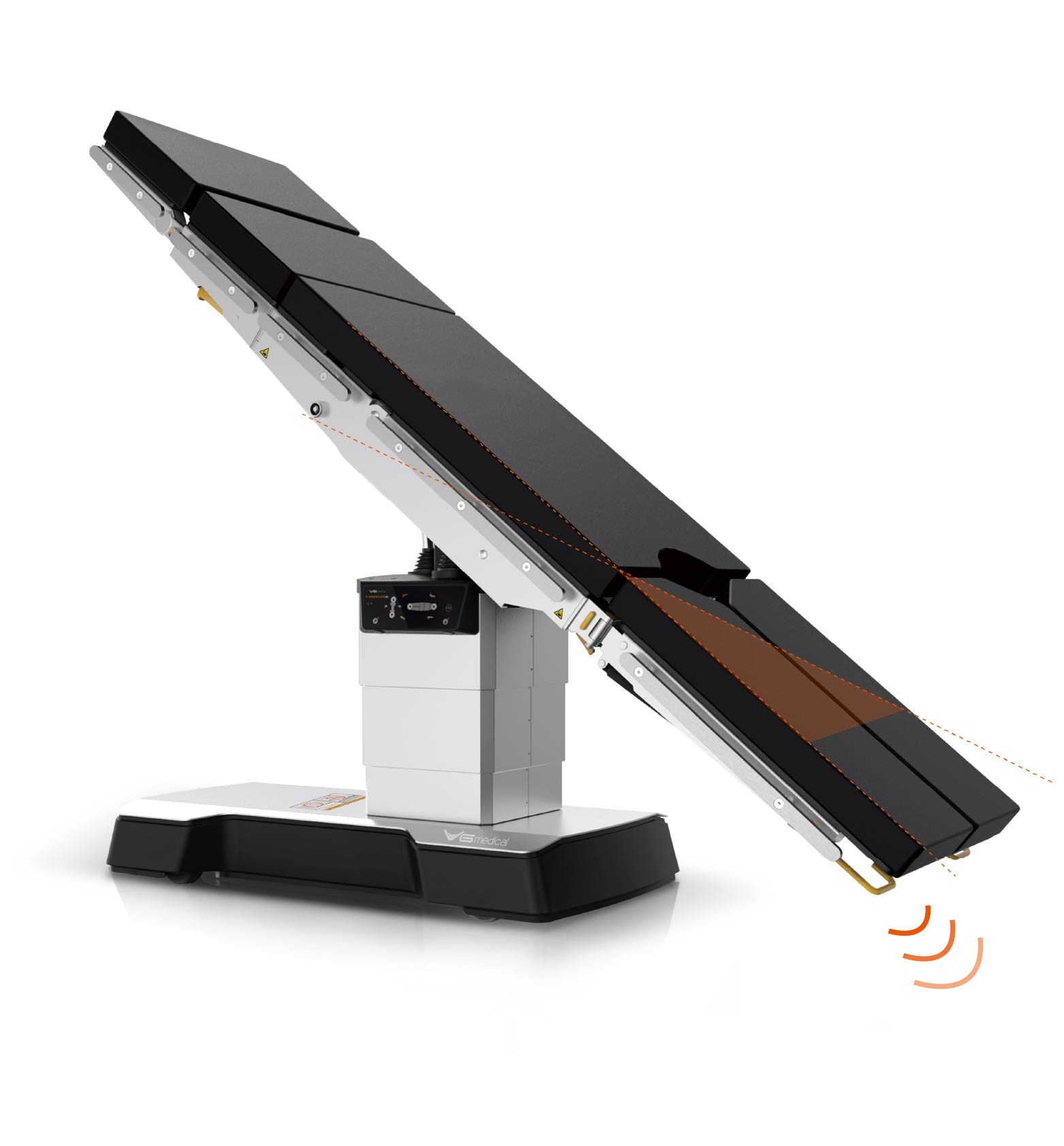
    The surgical table is the centerpiece of every operating room. It supports the patient, enables precise positioning, and directly impacts surgical outcomes. But not all surgical tables are created equal — different procedures, specialties, and facility requirements call for different types of surgical tables. Whether you're equipping a new operating room, upgrading legacy equipment, or sourcing from a surgical table manufacturer for distribution, understanding the types of surgical tables available is the first step to making the right investment. This guide covers every major classification — by power source, by surgical specialty, and by key features — to help you select with confidence.   What Is a Surgical Table? A surgical table (also called an operating table or OR table) is a specialized medical device designed to support a patient during surgical procedures. It allows precise positioning adjustments — height, tilt, lateral roll, Trendelenburg, and section-specific articulations — so the surgical team can access the operative site safely and efficiently.   Modern surgical tables have evolved from simple manual mechanisms to advanced electro-hydraulic systems with radiolucent tabletops, memory position functions, and integrated safety features. The type of surgical table you choose determines positioning precision, imaging compatibility, weight capacity, and ultimately, OR efficiency.   Types of Surgical Tables by Power Source   1. Manual Surgical Tables Manual operating tables use mechanical hand cranks or foot pumps for positioning. They are the most basic and affordable option, typically found in smaller clinics, field hospitals, or budget-constrained facilities. Advantages: Lower cost No dependency on electrical power Simple maintenance Limitations: Limited positioning precision Physically demanding for OR staff Fewer articulation options Manual tables suit minor procedures and low-volume settings but are increasingly phased out in modern hospitals favoring powered systems.   2. Hydraulic Surgical Tables Hydraulic surgical tables use foot-pedal-operated hydraulic pumps to adjust height and tilt. They bridge the gap between manual and fully electric systems, offering smoother operation without electrical dependency. Advantages: Smooth hydraulic positioning No electrical power required Moderate cost Limitations: Foot pedal operation can be fatiguing during long procedures Limited programmability Slower adjustments than electro-hydraulic systems   3. Electro-Hydraulic Surgical Tables Electro-hydraulic surgical tables represent the current industry standard for general surgery. They combine hydraulic power with electric motor control, enabling button-operated, precise positioning across all axes. Key Features: Motorized height, Trendelenburg, lateral tilt, and section adjustments Pendant or hand control for intuitive operation Backup battery for emergency use Modular tabletop sections for different procedures Best For: General surgery, multi-specialty ORs, and hospitals requiring versatile, reliable positioning. Models like the VG Medical VCARE 5000 exemplify this category — an electro-hydraulic surgical table with modular design, radiolucent tabletop, and C-arm compatibility, built for multi-discipline operating rooms.   4. Electric / Motorized Surgical Tables Fully electric surgical tables use servo motors for all movements, offering the highest positioning precision and speed. Some advanced models feature memory positions, programmable presets, and even voice-activated controls. Key Features: All-electric actuation (no hydraulic fluid) Programmable memory positions Ultra-quiet operation Integrated safety sensors Best For: High-end hospitals, robotic surgery suites, and specialized centers requiring repeatable precision.   Types of Surgical Tables by Surgical Specialty   General Surgical Tables General surgical tables are designed for versatility across a wide range of procedures — cardiovascular,gynecological, urological, gastrointestinal, and plastic surgery. They feature removable head sections, leg sections, and a broad accessory ecosystem for maximum adaptability. Best For: Multi-specialty hospitals and general operating rooms.   Orthopedic Surgical Tablestest Orthopedic tables (also called fracture tables or traction tables) are engineered for musculoskeletal procedures — hip fracture repair, femoral nailing, knee arthroscopy, and joint replacement. They provide traction capability, precise limb positioning, and often include a radiolucent top for intraoperative imaging. Best For: Orthopedic departments and trauma centers.   Radiolucent / Imaging Surgical Tables Radiolucent surgical tables are designed for procedures requiring intraoperative fluoroscopy or C-arm imaging. The tabletop is constructed from carbon fiber or other radiolucent materials that allow X-rays to pass through with minimal absorption, providing clear imaging without repositioning the patient. Best For: Minimally invasive procedures, vascular surgery, pain management, and any procedure requiring real-time imaging.   Bariatric Surgical Tables Bariatric tables are heavy-duty surgical tables designed for higher-weight patients. They feature reinforced structures, wider tabletops, and higher weight capacities (typically 450 kg / 1,000 lbs or more), along with powered transfer capabilities. Best For: Bariatric surgery centers and hospitals serving diverse patient populations.   Neurosurgery Tables Neurosurgical tables demand extreme positioning precision for delicate cranial and spinal procedures. They often integrate with imaging systems (MRI, CT) and may feature specialized head-fixation compatibility. Best For: Neurosurgery departments and specialized neurological centers.   Key Features to Consider When Choosing a Surgical Table When evaluating types of surgical tables for your facility, prioritize these critical features: Weight Capacity — Ensures safe support for all patient populations; bariatric tables exceed 450 kg Radiolucency — Enables intraoperative C-arm imaging without patient repositioning Modularity — Allows tabletop reconfiguration for different surgical disciplines Positioning Range — Determines accessible surgical positions (Trendelenburg, lateral tilt, reverse Trendelenburg, etc.) Control System — Pendant, hand, or foot control affects OR workflow efficiency Battery Backup — Ensures positioning capability during power failure Accessories — Leg holders, arm boards, headrests — broader ecosystem means more versatility Mobility — Mobile vs. stationary base affects OR layout flexibility   Choosing a Reliable Surgical Table Manufacturer The type of surgical table you select matters — but equally important is who builds it. A qualified surgical table manufacturer brings: Regulatory compliance: MDR CE certification, ISO 13485 quality management, and FDA compliance where applicable Engineering depth: Proven electro-hydraulic system design, structural integrity, and long-term reliability OEM/ODM capability: Customization for distributors who need white-label solutions Global service network: Installation, training, spare parts availability, and after-sales support across your operating regions Track record: Years of manufacturing experience, patent portfolio, and export history VG Medical has been manufacturing surgical tables for over 20 years, holding 85 patents and MDR CE certification. With products exported to 50+ countries, VG Medical offers both standard surgical table models and full OEM/ODM services for global distributors seeking reliable manufacturing partnerships.   Conclusion Understanding the types of surgical tables — from manual and hydraulic to electro-hydraulic and fully electric, from general-purpose to orthopedic, radiolucent, and bariatric — is essential for making an informed purchasing decision. The right table improves surgical access, enhances OR efficiency, and protects patient safety. When sourcing, partner with a surgical table manufacturer that combines regulatory compliance, engineering depth, and global service capability. The investment in the right table — from the right manufacturer — pays dividends in every procedure for years to come.   Supine Positon   Prone Position Beach Chair Position   Lateral Position Knee Position        

leave a message

leave a message
If you are interested in our products and want to know more details,please leave a message here,we will reply you as soon as we can.

Home

Products

contact